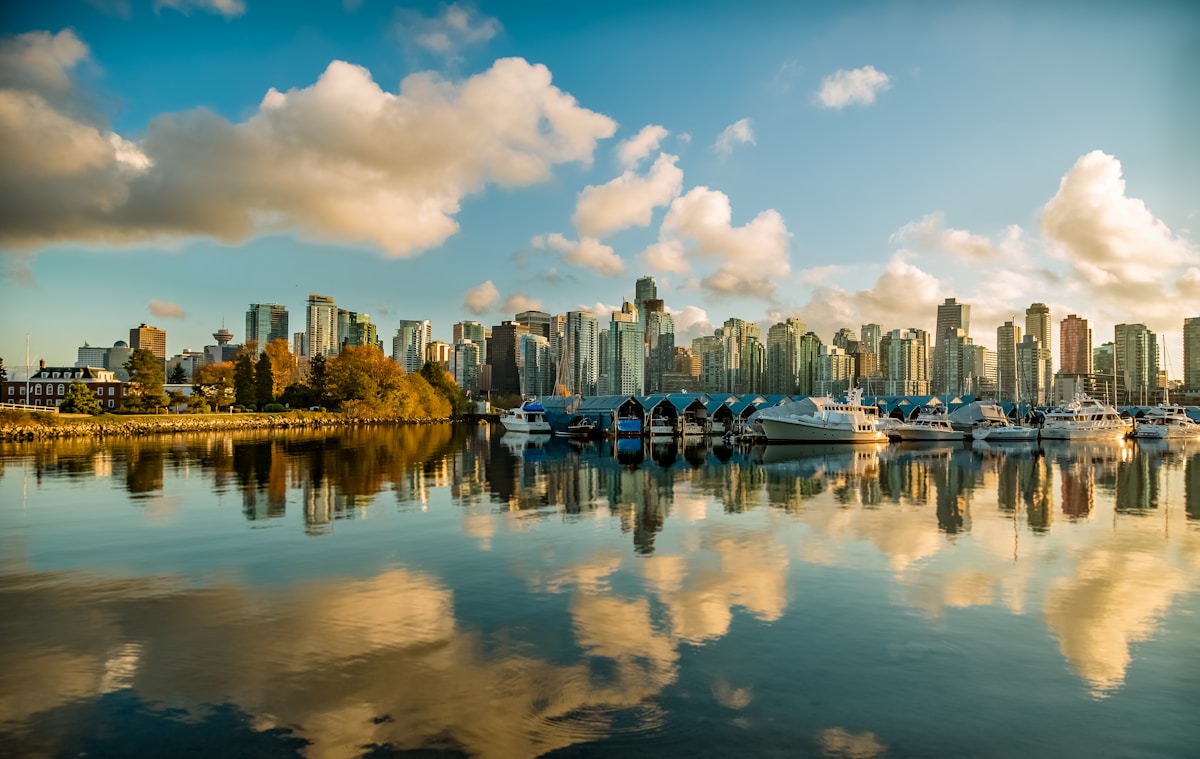
01Rainforest, ocean, city
Vancouver & the Coast
Build around the weather instead of fighting it: seawall when clear, galleries and food when wet, and a North Shore day with enough margin.
Canada is not one grand tour. It is a set of very different trips—coastal cities, mountain roads, French-speaking neighborhoods, prairie skies, and communities at the edge of the map.
Choose a direction ↓Start with a region, not a bucket list. The distances get easier and the trip gets better.
Build around the weather instead of fighting it: seawall when clear, galleries and food when wet, and a North Shore day with enough margin.
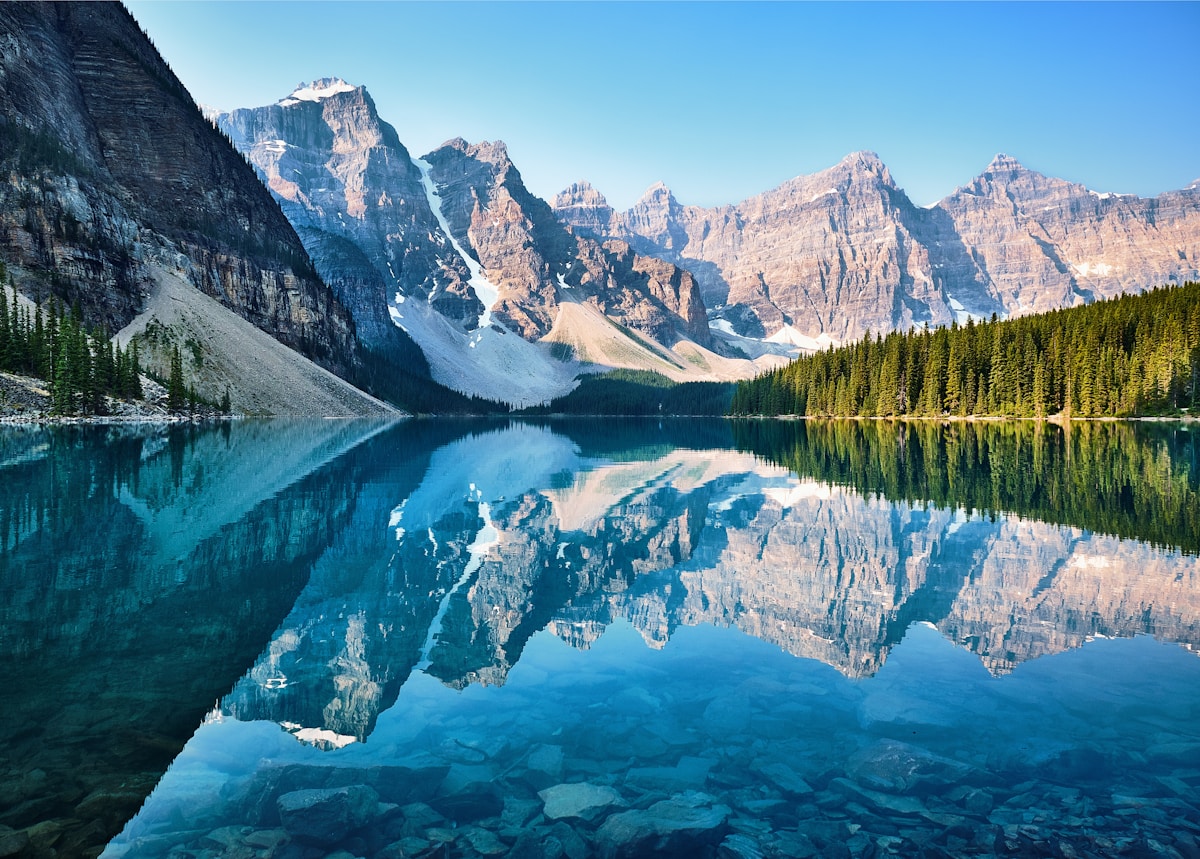
Banff is a base, not the whole story. Reserve shuttles where required and keep one day open for weather, wildlife, or the road you did not plan.
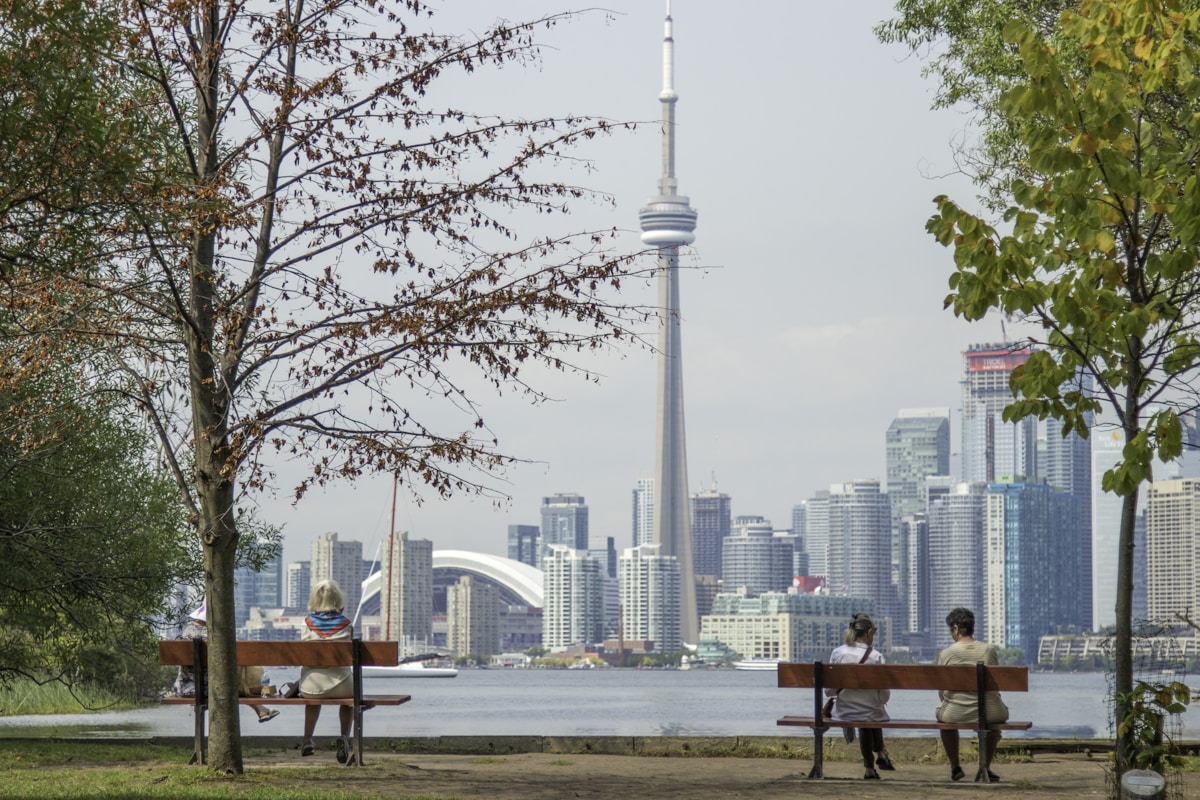
The city works best west to east: choose two neighborhoods, take the streetcar, and leave the downtown checklist behind after the essentials.
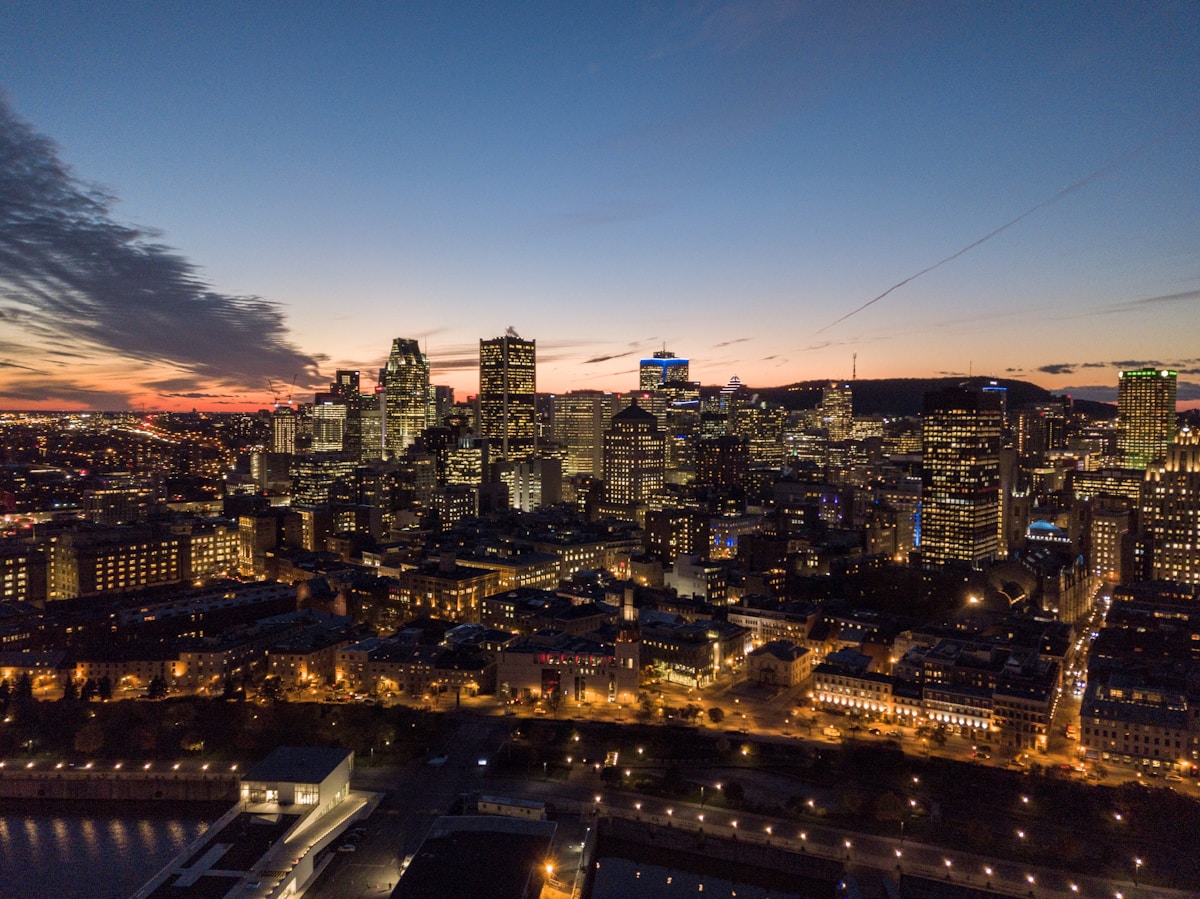
Walk the Plateau, eat beyond Old Montréal, and use the métro. A little French is appreciated; curiosity matters more than fluency.
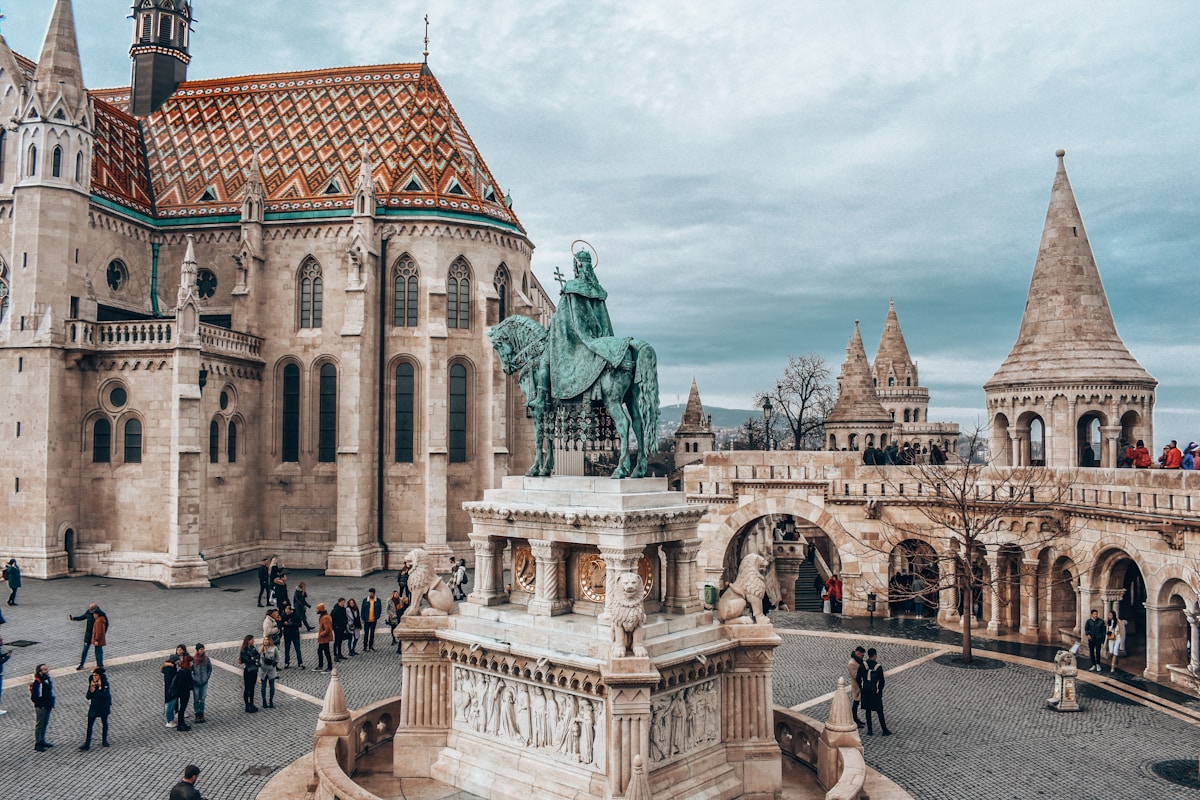
Stay within walking reach of the old city, then cross into Saint-Roch and Saint-Jean-Baptiste for a less polished, more lived-in view.
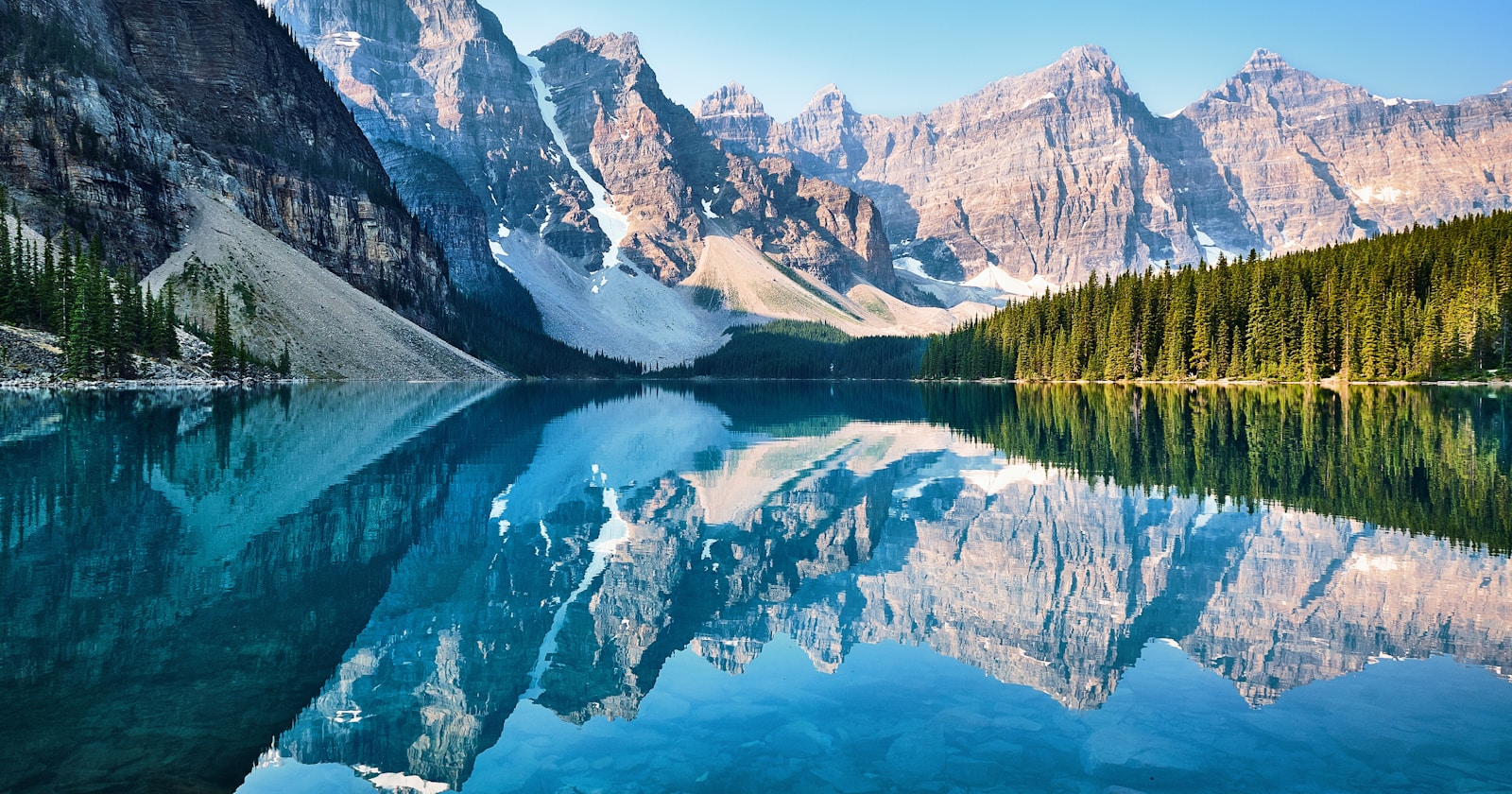
Distances are deceptive and coastal weather changes plans. Pick one province or a focused loop, then slow down enough to talk to people.
Practical city and regional guides with candid advice on where to stay, how long to allow, and what kind of trip each place actually suits.
A Pacific city where seawall mornings, mountain views, neighborhood food, and rainforest weather belong in the same plan.
4–6 nights Read the guide →02 · Vancouver IslandA walkable harbor city with gardens, coastal history, excellent food, and easy access to southern Vancouver Island.
3–5 nights Read the guide →03 · Coast MountainsA year-round mountain resort with a highly walkable village and activities that change completely by season.
3–6 nights Read the guide →04 · Vancouver IslandStorm-watching, rainforest trails, surf beaches, and small-town coastal life at the end of a long island road.
3–5 nights Read the guide →05 · Alberta RockiesCanada’s best-known mountain town is a useful base when shuttles, park rules, and crowded corridors are planned honestly.
4–7 nights Read the guide →06 · Alberta RockiesA spacious national-park base for long drives, wildlife country, dark skies, and a less compressed Rockies experience.
3–6 nights Read the guide →07 · AlbertaA confident prairie city with strong food, river paths, contemporary culture, and easy access toward the Rockies.
2–4 nights Read the guide →08 · OntarioA vast, multicultural city that becomes manageable when planned around neighborhoods rather than landmark accumulation.
4–6 nights Read the guide →09 · OntarioA world-famous waterfall and a separate wine-and-small-town region that should not be squeezed into one hurried stop.
2–3 nights Read the guide →10 · OntarioNational museums, ceremonial architecture, waterways, and neighborhood food in a capital that rewards two or three unhurried days.
2–4 nights Read the guide →11 · QuébecA bilingual city of markets, design, old stone, neighborhood restaurants, festivals, and long evenings.
4–6 nights Read the guide →12 · QuébecA dramatic old city with fortifications, winter character, French-speaking neighborhoods, and a strong regional table.
3–5 nights Read the guide →13 · QuébecRiver views, art towns, farms, mountain roads, and a regional food culture northeast of Québec City.
3–5 nights Read the guide →14 · Nova ScotiaA lively Atlantic port with waterfront history, universities, seafood, music, and practical access to coastal day trips.
3–5 nights Read the guide →15 · Nova ScotiaA road-trip island of highland curves, Acadian and Gaelic culture, fishing communities, and weather-dependent views.
4–7 nights Read the guide →16 · Atlantic CanadaRed roads, beaches, small towns, farms, and literary history on an island that works best at an intentionally gentle pace.
3–6 nights Read the guide →17 · ManitobaA prairie city with major human-rights and Indigenous cultural institutions, strong food, and a creative local scene.
2–4 nights Read the guide →18 · Northern CanadaA northern journey built around long light, winter darkness, vast roads, Indigenous culture, and serious seasonal planning.
5–10 nights Read the guide →Canada’s distances punish generic packages. Pick a focused regional route, then add live bookable experiences below.
Coast, mountain stays, and national-park days assembled in the order that wastes the least time.
Two distinct cities connected by rail, with food, architecture, neighborhoods, and open evening time.
A focused coastal loop—not four provinces in a blur—with sensible driving days and memorable stops.
Current city walks, food tours, scenic trips, and tickets from established suppliers.
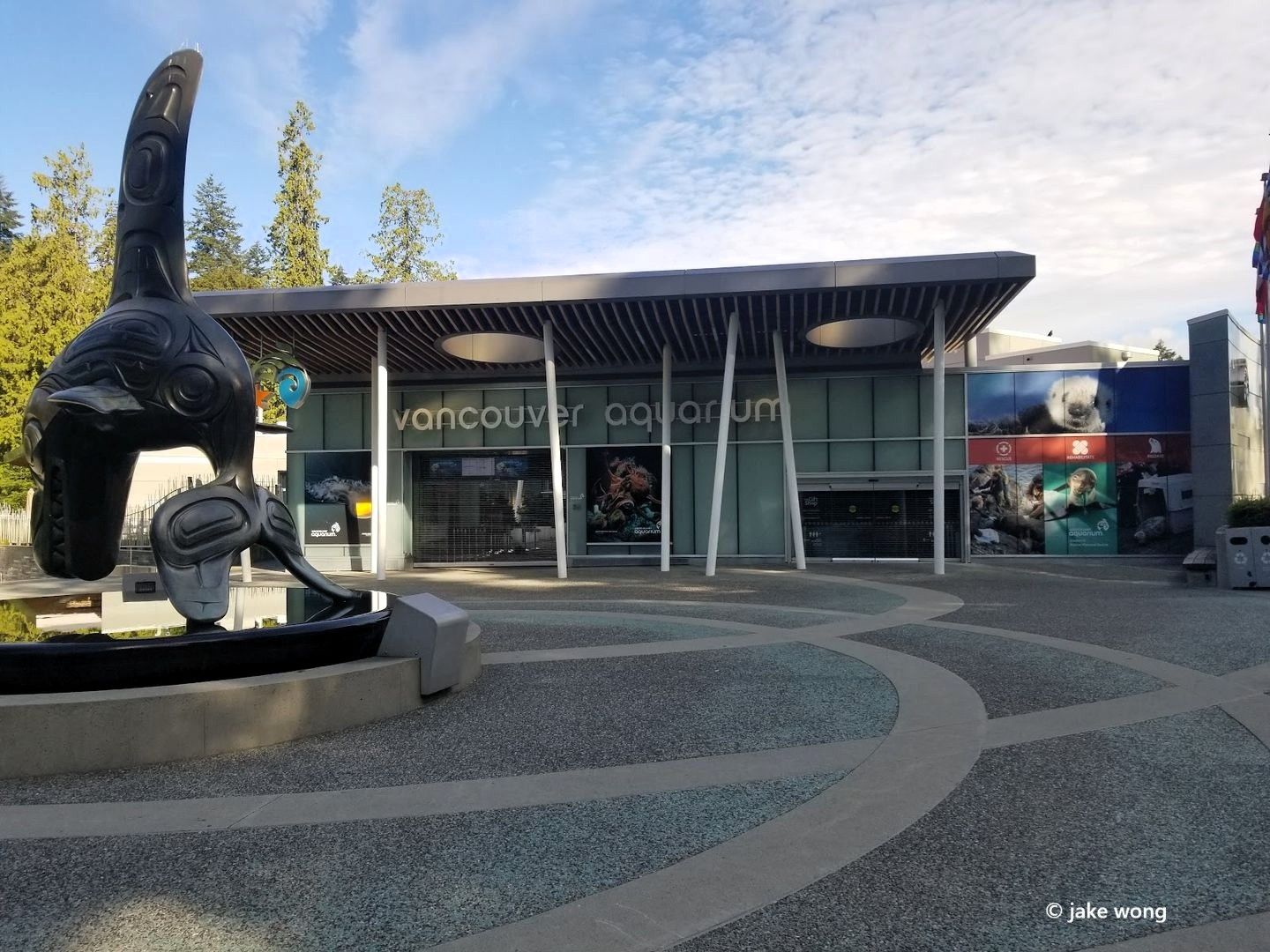
★ 4.6 · 1 hours
From $50.74View dates →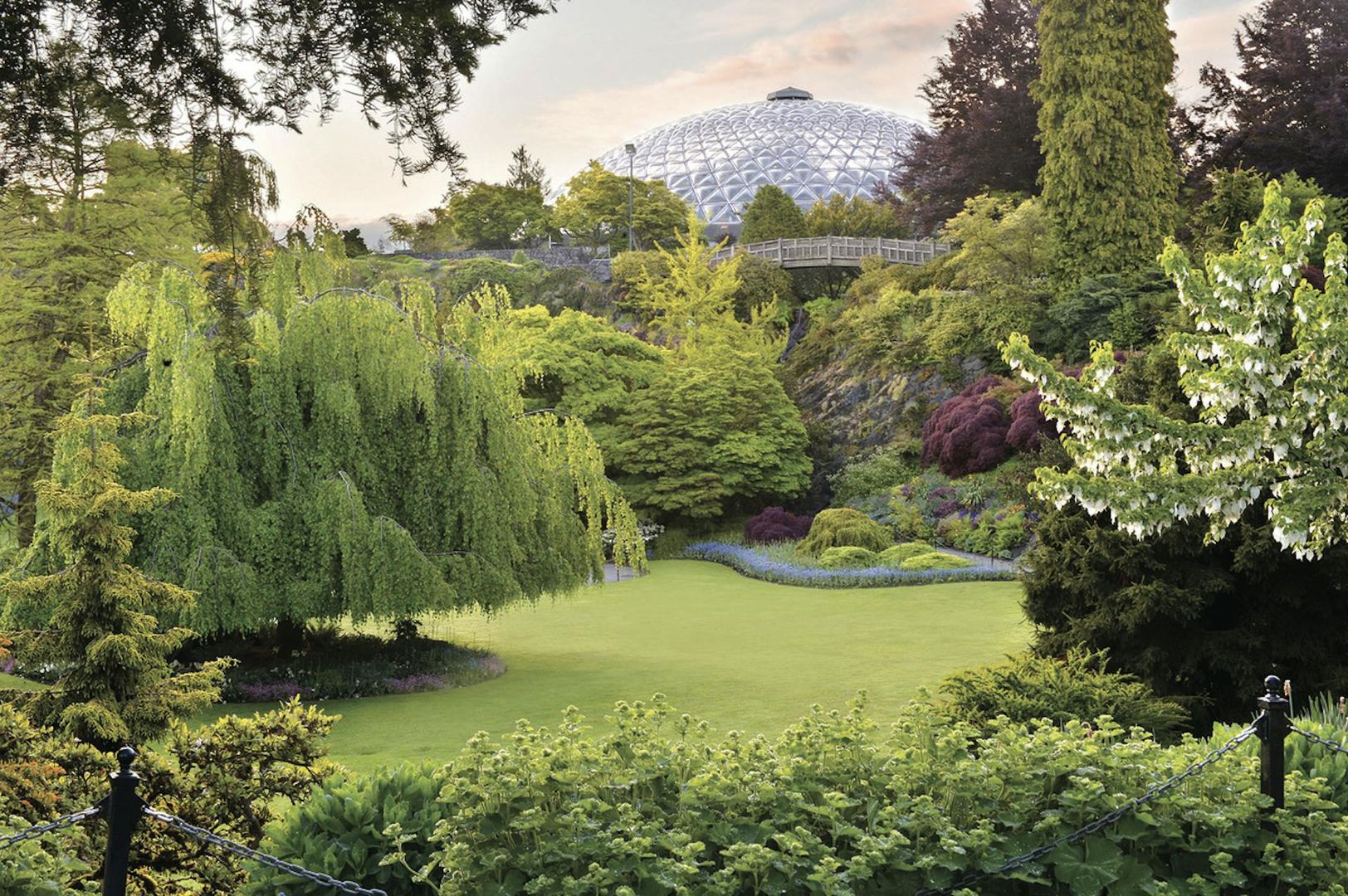
★ 4.8 · See details
From $8.86View dates →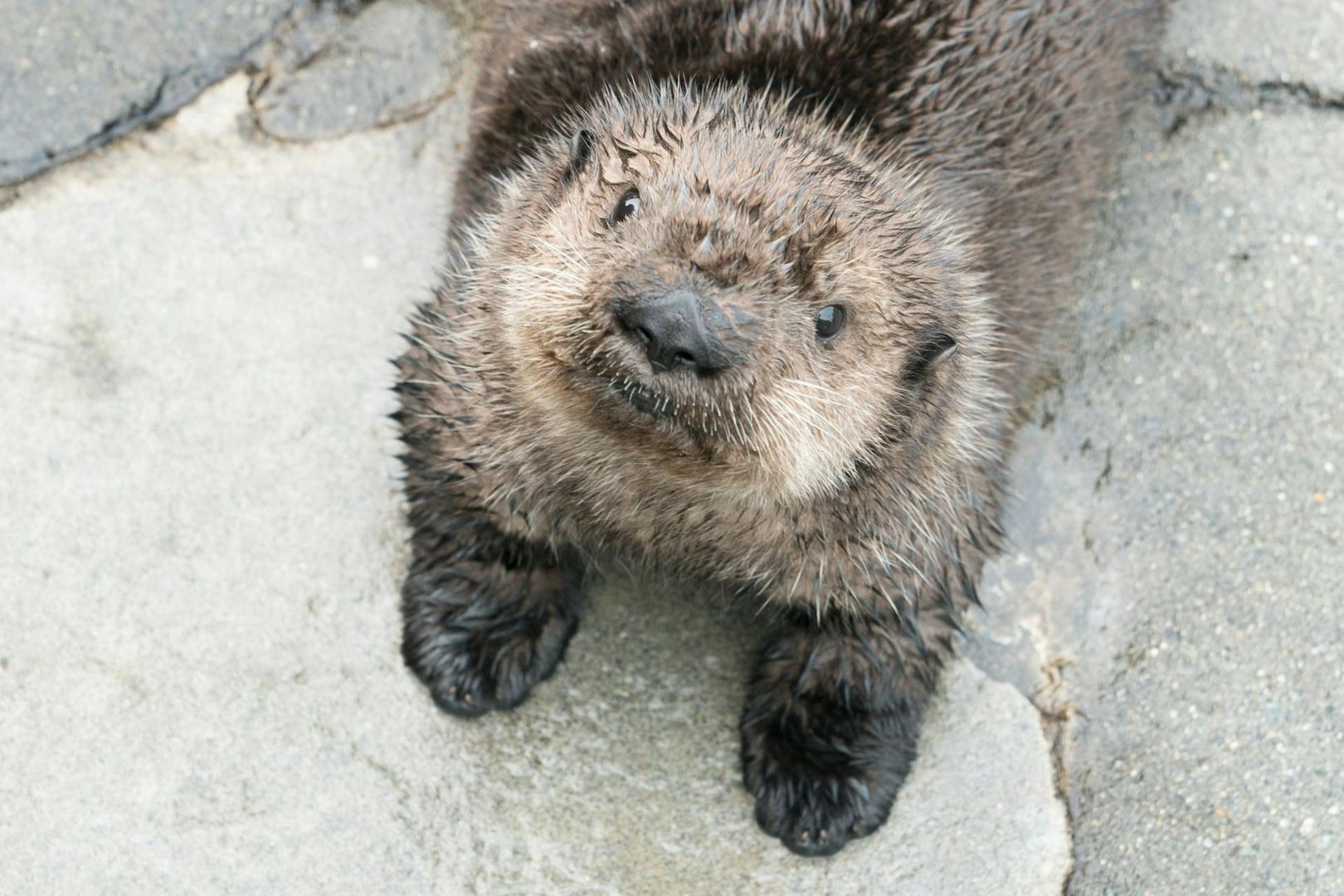
★ 4.6 · See details
From $30.24View dates →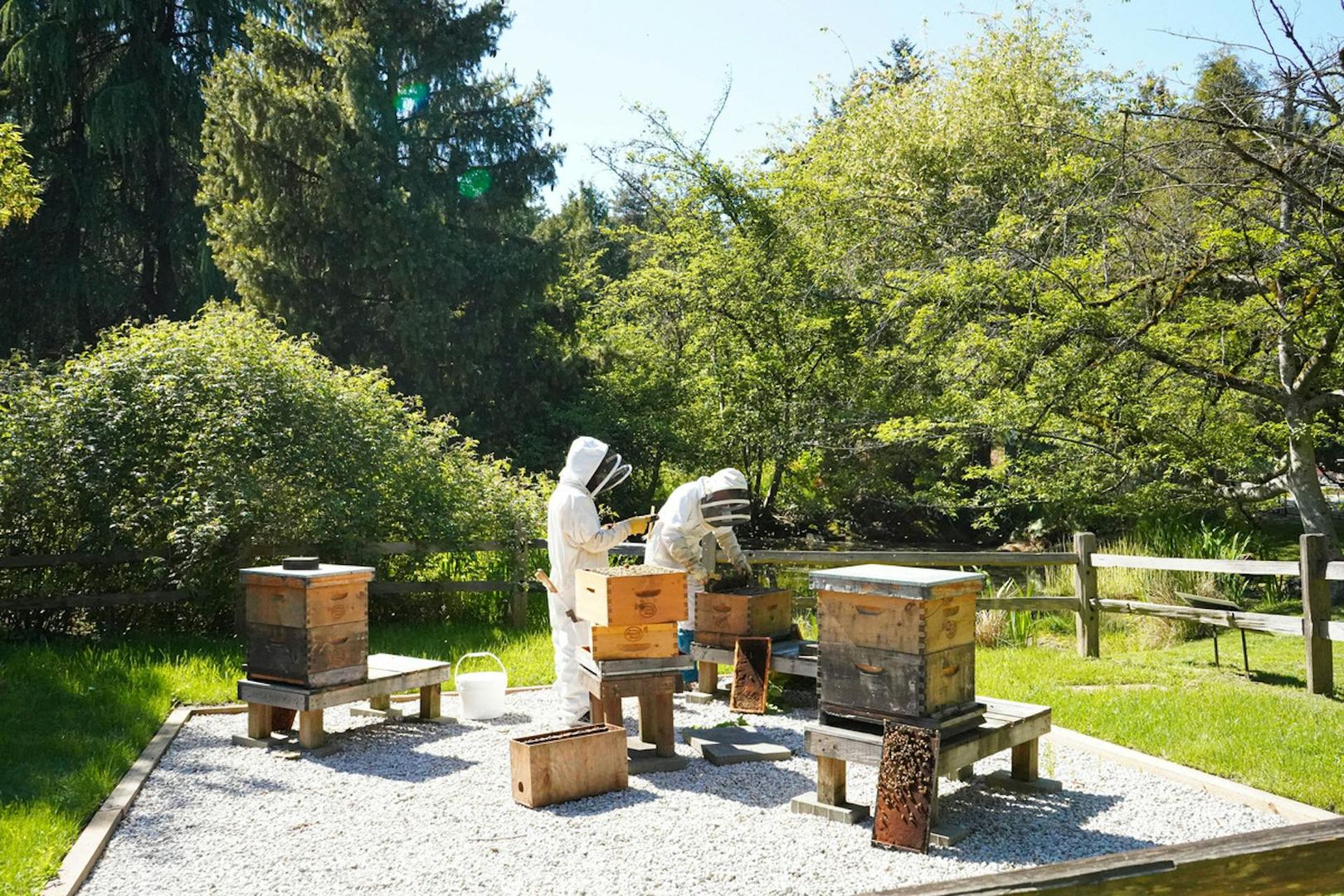
★ 4.5 · See details
From $14.49View dates →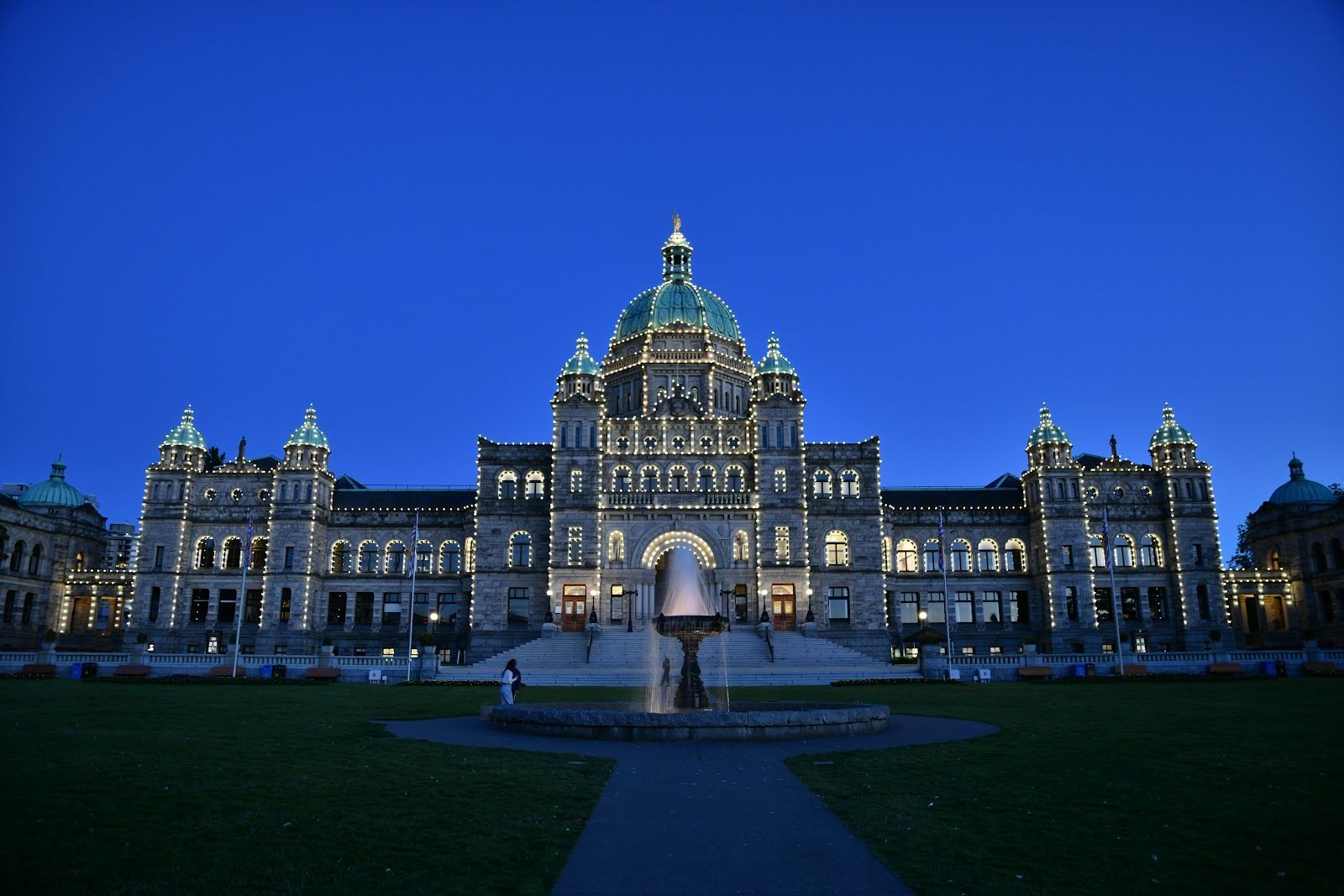
3 hours
From $11.43View dates →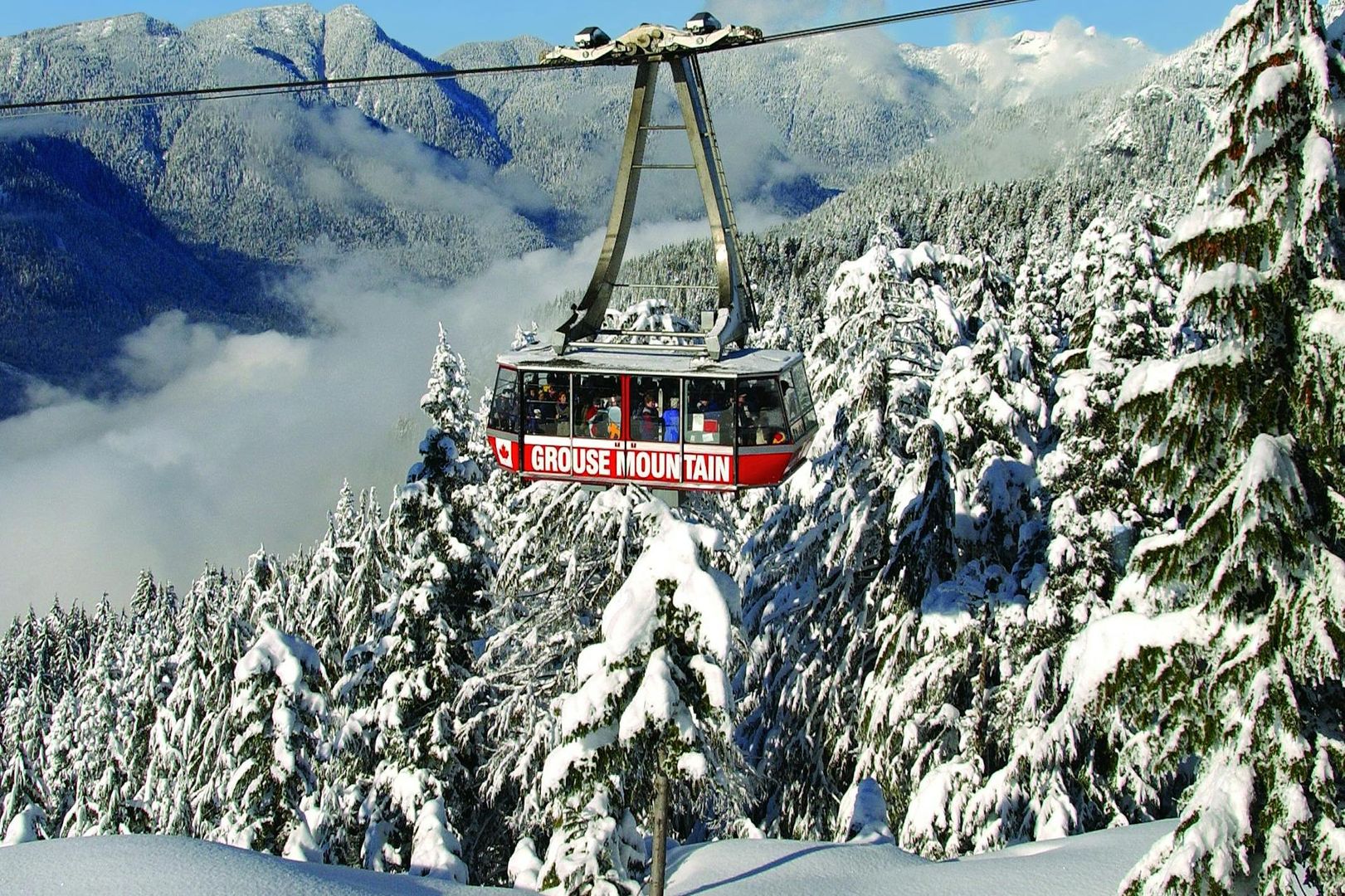
★ 4.2 · See details
From $0View dates →
★ 4.2 · See details
From $27.98View dates →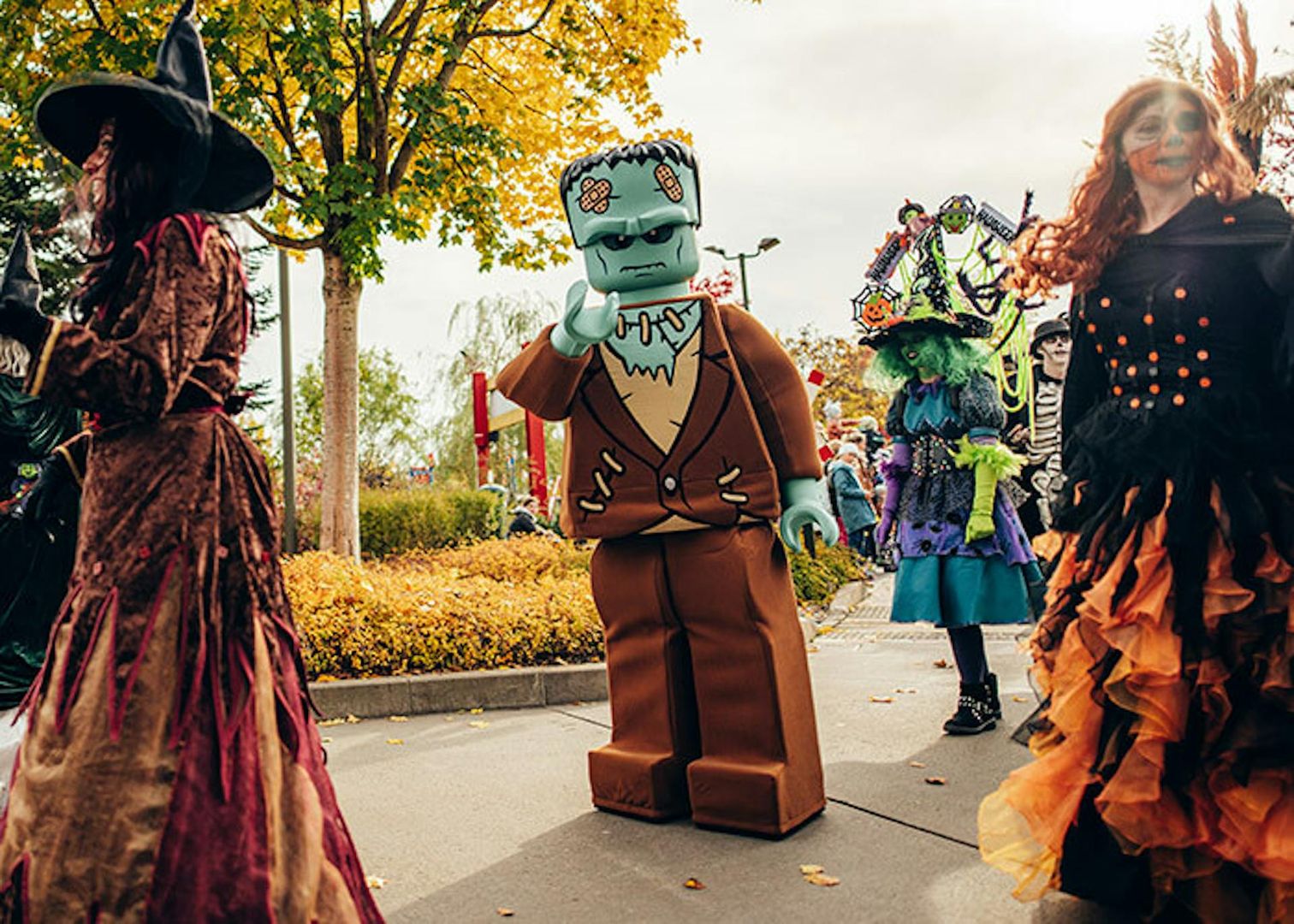
★ 3.6 · See details
From $19.91View dates →A flight across Canada can take longer than crossing several European countries. Check road time, ferry schedules, and seasonal closures before combining regions.
“Canada weather” is not one forecast. Coastal rain, dry prairie cold, mountain snow, and humid eastern summers demand different packing.
Learn the Indigenous territory you are traveling through. Choose Indigenous-owned experiences when available and follow local access guidance.
The memorable stop is often between the names on your itinerary. Avoid scheduling every arrival to the minute.
Less than the map tempts you to attempt. One city-and-nature pairing or one regional road trip makes a strong seven-to-ten-day itinerary.
Summer brings access and long days; fall brings color and cooler cities; winter is a real season, not a cheaper version of summer. Choose by experience.
Not for Toronto, Montréal, Vancouver, or Québec City. A car becomes valuable for mountain, coastal, and rural itineraries.
Yes. Popular lodging, campgrounds, shuttles, and limited-capacity experiences can fill well ahead of peak dates.
Choose the landscape first. Let the route grow around it.
Return to the atlas →